Envelope Budgeting: A Proven Method to Control Your Spending and Save More Money
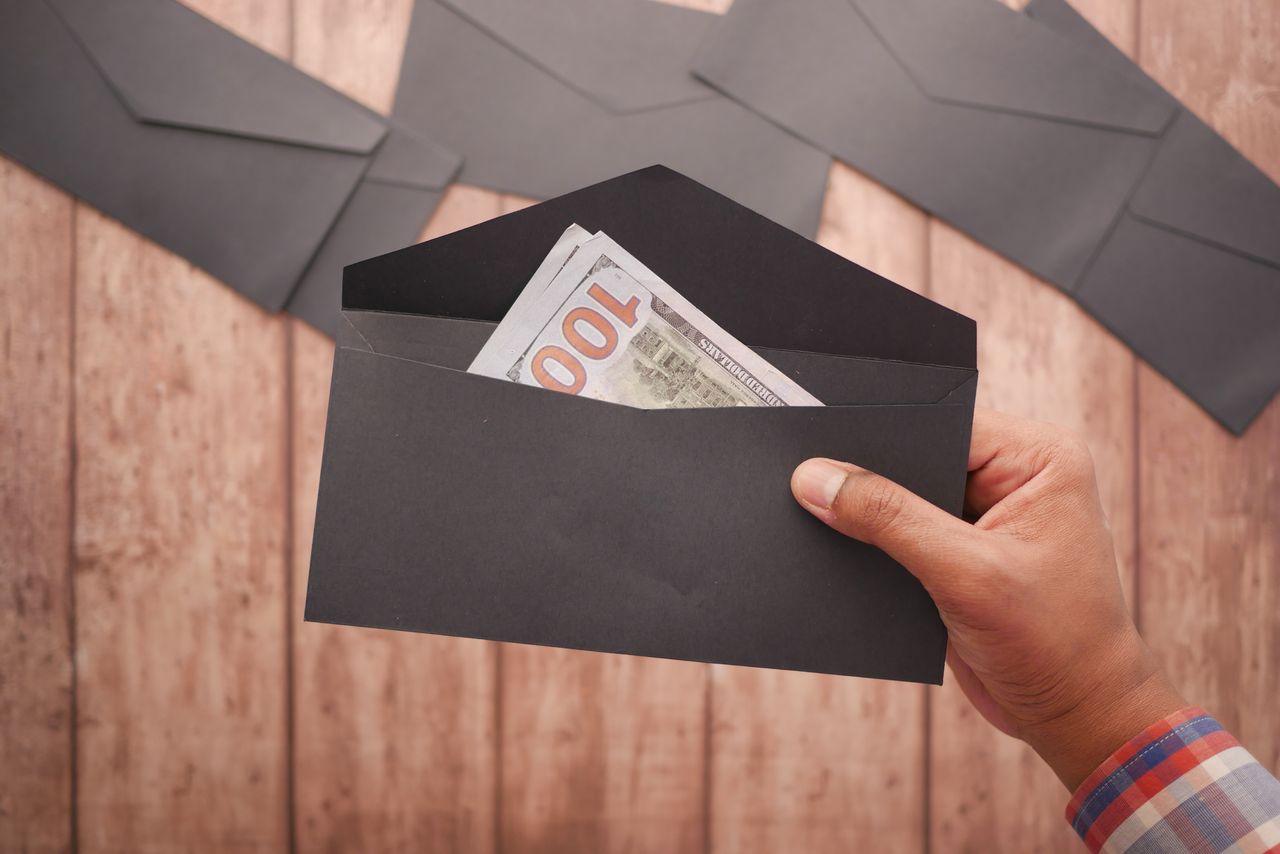
Managing money gets tricky when you can't quite figure out where it all disappears each month. Envelope budgeting breaks it down - just divide your cash into envelopes for each spending category, and suddenly, it's way easier to rein in your expenses and sidestep overspending.
People have leaned on this approach for generations. It's simple and, honestly, kind of satisfying.
Here's how it works. You stash grocery money in one envelope, gas in another, and entertainment in a third.
When an envelope runs dry, that's it for that category until next month. No magic money trees - just a hard stop.
Not many folks use cash for everything these days, but the envelope system still fits right in with modern life. You can use apps or even your bank accounts to follow the same rules and get the same benefits.
Principles of Cash Envelope Systems
With the cash envelope system, you split your monthly income into physical envelopes for each spending area. You put the exact amount of cash you plan to spend in each one, and that's your limit for the month.
How Envelope Allocation Works
First, cash your paycheck at the bank. Then, divide the cash among your envelopes based on your planned amounts.
Label each envelope with its category and how much it holds. If you need groceries, grab cash from the grocery envelope.
Going out to eat? Take it from the dining out envelope.
When the envelope's empty, you're done spending in that category. If you want to move money between envelopes, you have to make a deliberate choice.
This setup gives you a barrier that debit and credit cards just don't. It really makes you think before you spend.
You'll also end up planning for those annoying irregular expenses. Maybe you tuck away $50 per month for car maintenance, so when the big service rolls around, you're ready.

Choosing Budget Categories
Your categories should reflect how you actually spend. Most people end up with envelopes for groceries, gas, eating out, entertainment, and a little personal spending.
Start with these basics:
- Fixed bills (rent, utilities, insurance)
- Food (groceries, restaurants)
- Transportation (gas, parking, car maintenance)
- Personal (clothing, haircuts, hobbies)
- Savings goals (emergency fund, vacation)
Skip envelopes for bills you pay online or automatically. Those can just stay in your checking account.
Focus on envelopes for variable expenses - where you know you're likely to go overboard.
Try to keep it to 5-10 categories at first. Too many envelopes? It gets overwhelming fast.
Tracking Cash Flow
It's important to jot down what you spend from each envelope. Keep a small notebook, or just scribble on the envelope itself.
Each time you pull out cash, write down the date, amount, and what you bought. Over time, you'll spot patterns - maybe you blow through grocery money in the first week, or always run low on gas cash.
At the end of the month, count what's left in each envelope. If there's money left over, you can roll it into next month or move it to savings.
Empty envelopes show you where you might need to tweak your budget next time.
Integrating with Banking Apps
A lot of banks now let you budget right inside their apps. These features act like digital envelopes, so you can organize spending categories and track purchases without much effort.
Some banks even let you create virtual sub-accounts, sometimes called "pockets." You just move money into these pockets for whatever purpose you want.
When you use your debit card, it pulls from the right pocket depending on where you shop. It's surprisingly smooth once you get the hang of it.
Benefits of bank integration:
- Automatic transaction categorization
- No manual entry required
- Real-time balance updates
- One less app to manage
You can also link third-party apps to your bank through secure connections. These apps pull in your transactions and sort them into your envelopes.
That way, you don't have to type in every single purchase. It's a relief if you hate extra steps.
Final Thoughts
The envelope method works because it forces you to be intentional with every pound you spend. Whether you're using physical cash or digital tools, the core principle remains the same - boundaries create accountability. Start simple with a handful of categories and adjust as you learn what works for your lifestyle. The goal isn't perfection, it's progress.
Stop Spending Hours on Your Budget
Most budgeting methods expect you to categorize every transaction into 20+ categories. Our free 5-day email series teaches the 3-layer budgeting system—a method that catches problems just as effectively in less time.
Your email will remain private, you may unsubscribe at any time.