How to Build an Emergency Fund From Scratch Even on a Tight Budget
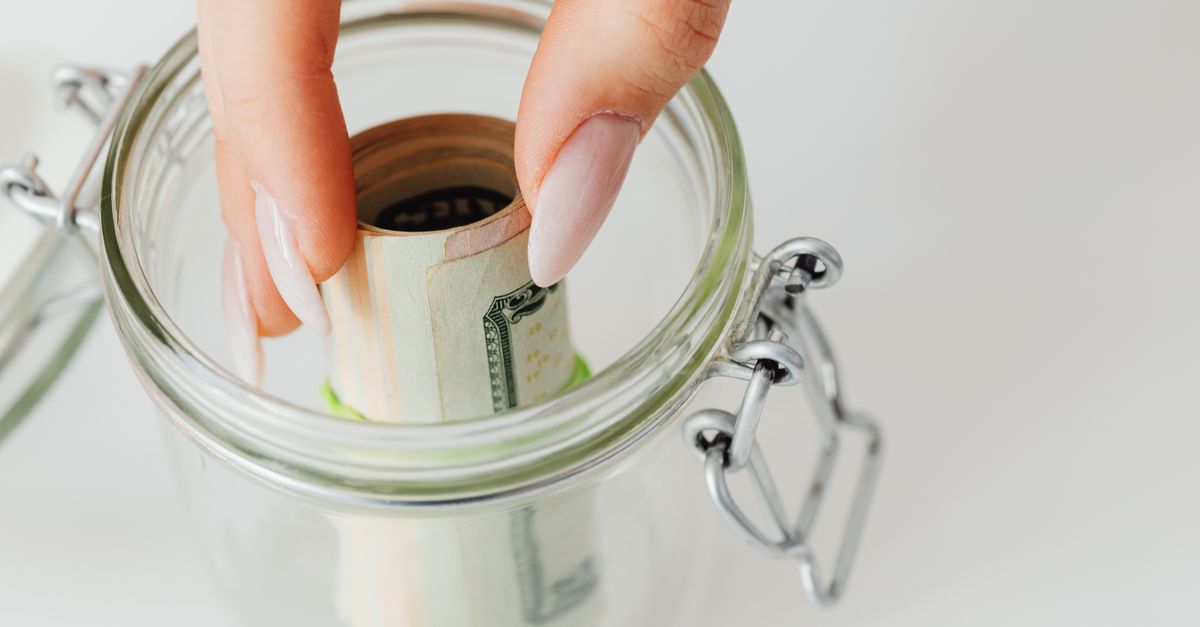
Starting an emergency fund can feel impossible when you are already stretching every dollar. Even a small fund can protect you from going into debt when something unexpected happens. A simple budgeting app helps you find small amounts of money in your current budget and track your emergency savings progress without adding stress.
You do not need to save thousands of dollars right away. Building an emergency fund works best when you start small and keep it simple. The goal is to create a habit and a safety net that grows over time.
This guide will show you how to set a realistic first goal, look for possible room in a tight budget, and keep your emergency fund organized. The amount you can set aside may vary from month to month, and some months may not leave room to save. Even a small contribution, when it is possible, can help you build a buffer over time.
Start With A Small First Emergency Fund Goal
Building several months of expenses can feel out of reach when you are just starting. A starter emergency fund lets you create a safety net without waiting years to see progress.
Choose A Starter Amount That Feels Possible
You do not need thousands of dollars to begin. A small savings goal gives you real protection faster than aiming too high and getting discouraged.
Many people start with $100, $500 or $1,000 as a beginner budgeting target. These amounts can cover a car repair, a medical copay, or a broken appliance. Even $50 gives you more options than having nothing saved at all.
Pick a number based on what you can realistically save each month. If you have $50 left over after bills, a $500 goal takes ten months. If you have $100 available, you reach it in five months. Both timelines work because you are moving forward.
Starting small also builds the saving habit. You learn to set money aside before spending it. You see your balance grow. You feel more confident about handling surprises.
Think about one bill or expense that would stress you out if it arrived today. A vet visit might cost $400. A minor home repair could run $600. Your first emergency fund should cover at least one of these common surprises.
Once you reach your starter emergency fund, you can aim higher. Some people then save one month of expenses, then three months, then six. You do not have to figure out the final number today.
A simple budgeting app helps you track your progress without extra work. You create a category for your starter emergency fund and watch it fill up over weeks or months. Each small deposit counts.
Your first goal is about protection and momentum. You want enough savings to avoid debt when something breaks or goes wrong. You also want to prove to yourself that saving is possible even on a tight budget. A small first target gives you both.
Find Money For The Fund Inside Your Current Budget
Depending on your situation, you may be able to redirect a small amount from other budget categories by reviewing your spending and looking for recurring savings opportunities. If your budget does not currently have room, focus first on covering essentials and revisit the fund when your income or expenses change.
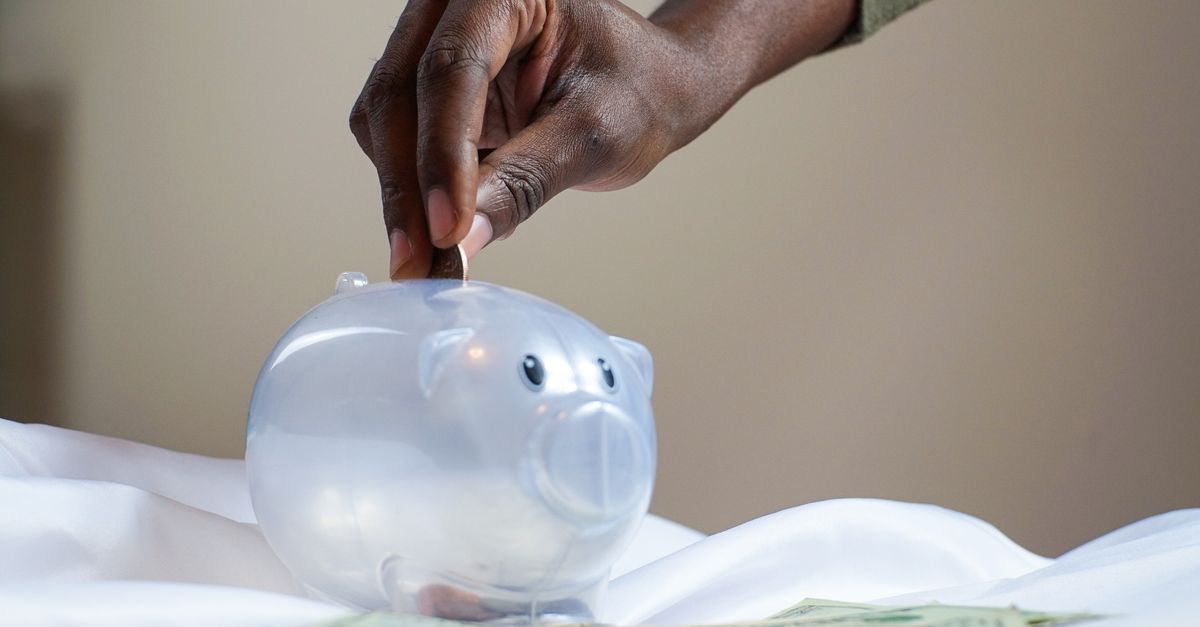
Use Tiny Repeatable Transfers Instead Of Big Sacrifices
Start by looking at your current budget categories one by one. Some people find a small amount in their spending without making painful changes to their lifestyle. The key is to identify amounts you can move regularly instead of cutting entire categories from your life.
Look at flexible spending categories like dining out, entertainment, subscriptions, or shopping. You do not need to eliminate these entirely. Instead, find a small amount you can comfortably reduce each month. If you spend $120 on dining out, moving $20 to savings still leaves you $100 to enjoy meals with friends.
Small recurring savings can add up over time. Saving $15 per week becomes $780 per year. Three different $10 reductions across categories creates $30 monthly for your fund. This approach may feel more sustainable for some beginners than making dramatic cuts that feel restrictive and hard to maintain.
A simple budgeting app helps you see all your categories in one place. You can review actual spending patterns and decide which categories have room for small adjustments. The app tracks these changes so you can watch your fund grow without complicated spreadsheets.
Consistency matters more than the dollar amount when you start. Moving $25 every two weeks builds a habit that lasts. You can always increase the amount later as you get comfortable with the process. The goal is to create a routine that feels manageable within your current life, not to punish yourself for past spending choices.
Focus on what you can sustain month after month. Small repeatable transfers create real progress without the guilt or burnout that comes from extreme budgeting methods.
If your income varies or your expenses are especially tight, a fixed transfer may not be realistic every pay period. One option is to check your balance after essential bills are covered and move a small amount only when doing so will not create a shortage. You might also direct part of an occasional refund, gift, overtime payment, or other windfall to the fund, while keeping enough for current needs. The amount does not need to be identical each month for the fund to be useful. A flexible plan can still help you build a record of saving when circumstances allow.
Keep The Emergency Fund Separate And Easy To Track
When you keep your emergency money in a separate savings account, you can see exactly how much you have without mixing it with grocery money or bill payments. Setting up simple tracking makes it easier to watch your progress each month and stay motivated, even when unexpected expenses slow you down.
Use a simple rule before taking money from the fund: it is generally for urgent, unexpected costs or a loss of income, not for expenses you can anticipate and include in your regular budget. For example, an unplanned car repair or medical bill may fit the rule, while an annual subscription, holiday gift, or known car registration bill can be planned for separately. The line will not always be perfect, so write down your own guidelines and apply them consistently. If you use the fund for a true emergency, rebuilding it can become the next savings goal.
Review It During Your Monthly Budget Check In
Your monthly budget check in is the perfect time to look at your emergency fund balance. Set aside a few minutes at the end of each month to write down your current total. This habit helps you see growth over time and reminds you why you are putting money aside.
When you track your emergency fund monthly, you notice patterns. You might see steady growth during months when nothing breaks down. You might spot months when you had to dip into savings for a car repair or medical bill. Both types of months are normal.
Simple tracking protects your saving habit when other parts of budgeting get frustrating. Bank sync issues can make your budget categories confusing. Category confusion might make you want to give up on budgeting completely. But when you check that separate savings balance each month, you can still see real progress.
You can track this in a few ways:
- Write the date and balance in a notebook each month
- Keep a simple list in your phone notes
- Use your budgeting app to record the balance as a separate line item
The method matters less than doing it consistently. Pick whatever feels easiest for you to remember and maintain.
Watching your emergency fund grow gives you something concrete to celebrate. Even small increases add up. A $25 deposit this month becomes $300 over a year. Tracking your savings progress during each monthly budget check in turns an abstract goal into visible momentum that keeps you going.
Conclusion
When you track your spending and set realistic limits, you develop habits that protect your emergency fund and support your savings goals. Consistency is more important than perfection. WalletBadger lets you create categories, monitor your spending, and follow your budget with straightforward steps. Saving even small amounts each week can build up over time and provide peace of mind when unexpected expenses occur.
Stop Spending Hours on Your Budget
Most budgeting methods expect you to categorize every transaction into 20+ categories. Our free 5-day email series teaches the 3-layer budgeting system—a method that catches problems just as effectively in less time.
Your email will remain private, you may unsubscribe at any time.